Whirling Dervish Istanbul Tickets, Prices, and Booking Guide
Walking through Sultanahmet at dusk, you will see flyers plastered across shop windows promising mystical Sufi nights. Half of them are selling dinner cruises where an actor spins under neon party lights right after a belly dance routine. If you want the real spiritual ceremony, finding authentic whirling dervish istanbul tickets takes a bit of discernment. The ceremony is actually a form of active meditation called the Sema, created in the 13th century by followers of the poet Rumi, and it was never meant to be dinner theater.
I learned this the hard way on my first visit to Turkey when I bought an overpriced ticket from a kiosk near the Arasta Bazaar. I ended up sitting in a damp basement watching a bored teenager spin for seven minutes before a waiter tried to sell me lukewarm kebabs. Since then, I have attended genuine ceremonies across the city, from historic 500-year-old stone bathhouses to community cultural centers deep in residential neighborhoods. This guide covers what you will pay, where to book genuine performances, how to avoid tourist traps, and whether you can see the ritual without paying commercial tour prices.
Book your whirling dervish istanbul experience:
Whirling Dervish Show Istanbul Price Breakdown
Ticket costs in Istanbul fluctuate constantly with local inflation and exchange rates. Most commercial venues now peg their rates to the Euro or US Dollar to keep things stable for international travelers. Expect to spend somewhere between $28 and $45 for a standard seat at an established cultural center. If someone quotes you $80 or more, you are either looking at a private VIP tour or a package bundled with hotel transfers and a mediocre meal.
At the Hodjapasha Cultural Centre, which is the most popular dedicated venue in the city, an adult ticket runs right around €38 (about $41). Student rates rarely exist at commercial venues, though children between seven and twelve sometimes get a small discount of around 15 to 20 percent. Children under seven are generally barred from authentic ceremonies because silence is strictly enforced throughout the hour-long service.
Independent cultural centers and community foundations charge significantly less. The Silivrikapı Mevlana Cultural Center often asks for a modest donation of around 200 to 300 Turkish Liras (roughly $6 to $10) to help cover heating and upkeep. Meanwhile, museum entry to historic dervish lodges like the Galata Mevlevihanesi costs about €15 on the official museum pass system, though active whirls there have been suspended during lengthy structural restorations.
| Venue | Approximate Cost (USD) | Duration | Atmosphere | Advance Booking |
|---|---|---|---|---|
| Hodjapasha Cultural Centre | $40 - $44 | 60 minutes | Historic converted hammam, theater seating | Essential (3-5 days ahead) |
| Kızlarağası Medrese | $28 - $32 | 50 minutes | Intimate courtyard, classical Ottoman school | Recommended |
| Silivrikapı Mevlana Center | $8 - $12 (Donation) | 90-120 minutes | Authentic Sufi community gathering | Walk-in / Foundation RSVP |
| Orient Express Hall (Sirkeci) | $30 - $35 | 50 minutes | Historic train station hall, basic chairs | 1-2 days ahead |
Keep a bit of cash on you when collecting physical tickets. While online platforms take Visa and Mastercard without issues, small box offices in historic alleys often experience card terminal dropouts. Having 500 liras in clean notes saved me from losing my reserved seat at Sirkeci back in October.
Where to Buy an Istanbul Whirling Dervish Ticket
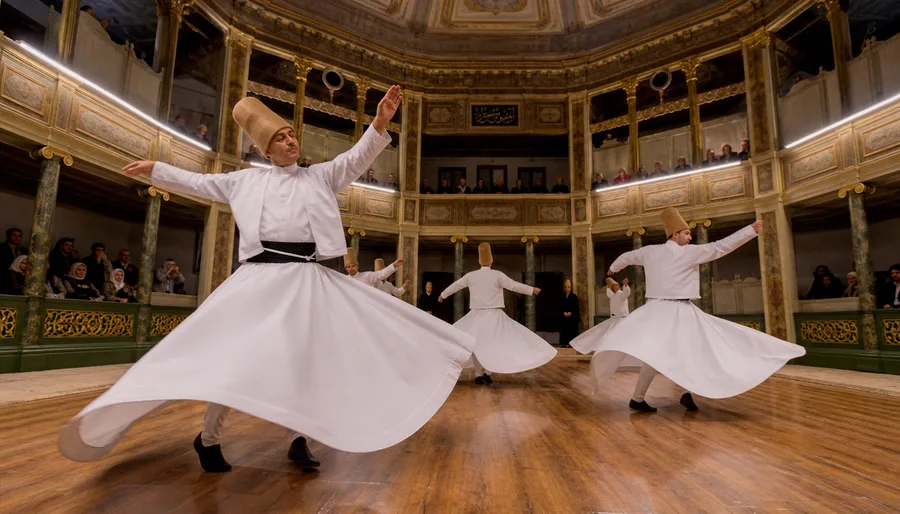
You have three practical ways to secure a seat: online ticket aggregators, the venue box office directly, or hotel concierge desks. Online booking is easily the safest path between April and October. Venues are surprisingly small. Hodjapasha, for instance, holds fewer than 200 people on tiered wooden benches surrounding the circular marble floor. Shows routinely sell out three days ahead.
If you prefer booking directly, you can walk straight up to the box office at Hodjapasha in Sirkeci. It sits tucked in a narrow pedestrian lane full of small restaurants, roughly a four-minute walk from the Sirkeci tram stop. Buying there cuts out the middleman fees of third-party platforms, saving you roughly $3 to $5 per person. To compare different historical spaces before deciding where to go, take a look at our detailed breakdown of where to see whirling dervishes in Istanbul.
Pro tip: If Hodjapasha shows sold out online for your dates, walk to their box office in Sirkeci around 5:30 PM on the day of the show. They often release a handful of unpaid reservation holds about an hour before the doors open.
Street ticket kiosks around the Blue Mosque and the Hippodrome are hit or miss. Some are legitimate agencies reselling certified seats, but many tack on steep markups or push you toward dinner boats where the whirling is an afterthought. Always ask for the exact name of the hall before you hand over any money. If the vendor cannot tell you the specific street address of the building, politely walk away.
Can You Find a Whirling Dervish Istanbul Free Ceremony?
The short answer is yes, but it comes with conditions. Genuine Mevlevi worship is a religious ritual, not a Broadway performance. Because of that, you will not find professional commercial shows offering free admission in Sultanahmet or Beyoğlu. However, active Sufi foundations welcome respectful visitors to their weekly prayer sessions at no cost.
The Silivrikapı Mevlana Cultural Center, run by the Contemporary Lovers of Mevlana Association, hosts weekly gatherings on Thursday evenings. These sessions start late, often around 8:00 PM, and run well past 10:00 PM. Admission is technically free, though visitors are encouraged to leave a small voluntary contribution at the door. You sit among local families, elderly men sipping black tea, and seekers from all over Turkey. The experience feels entirely different from the sterile atmosphere of tourist theaters.
- Silivrikapı Thursday Gatherings: Free entry with voluntary donations; starts around 8:00 PM; located outside the historic city walls near the Fatih district.
- Cerrahi Tekke in Karagümrük: Traditional Sufi zikr ceremonies happen on Monday and Thursday nights; free admission; strictly segregated by gender with strict conservative dress codes.
- Galata Mevlevihanesi Courtyard: While the inside ritual hall remains closed for renovations, you can walk through the graveyard and garden grounds using standard museum hours for a quiet taste of dervish history.
Getting out to Silivrikapı takes work. You will need to take the T1 tram to Aksaray or Cevizlibağ, followed by a short taxi or municipal bus ride down toward the Marmara sea walls. Expect to spend about 45 minutes traveling each way from Sultanahmet. Taxis can be hard to flag down when the gathering finishes near 10:30 PM, so download the BiTaksi app on your phone before you head out.
Book your whirling dervish istanbul experience:
What to Expect: Understanding the Sema Ritual
Do not expect upbeat folk music or acrobatic stunts. The Sema is solemn, quiet, and hypnotic. It is structured around specific movements and musical sections that carry deep metaphysical meaning. If you are curious about the clothing, the black cloaks, and the tall camel-hair hats, reading about the Mevlevi Sema ceremony meaning and ritual will give you context on what the gestures signify.
The ceremony opens with a praise song to the Prophet Muhammad, followed by an improvisation on the ney, a traditional reed flute made from hollow cane. That flute sound is mournful. It represents the human soul longing to return to its divine origin. Then, the dervishes circle the floor three times, bowing to each other as they pass the master. This greeting acknowledges the divine spark inside every human being.
Note: Flash photography and applause are completely forbidden during the whirls. Clapping breaks the trance and treats worshippers like entertainers; wait until the singers and musicians pack away their instruments before showing appreciation.
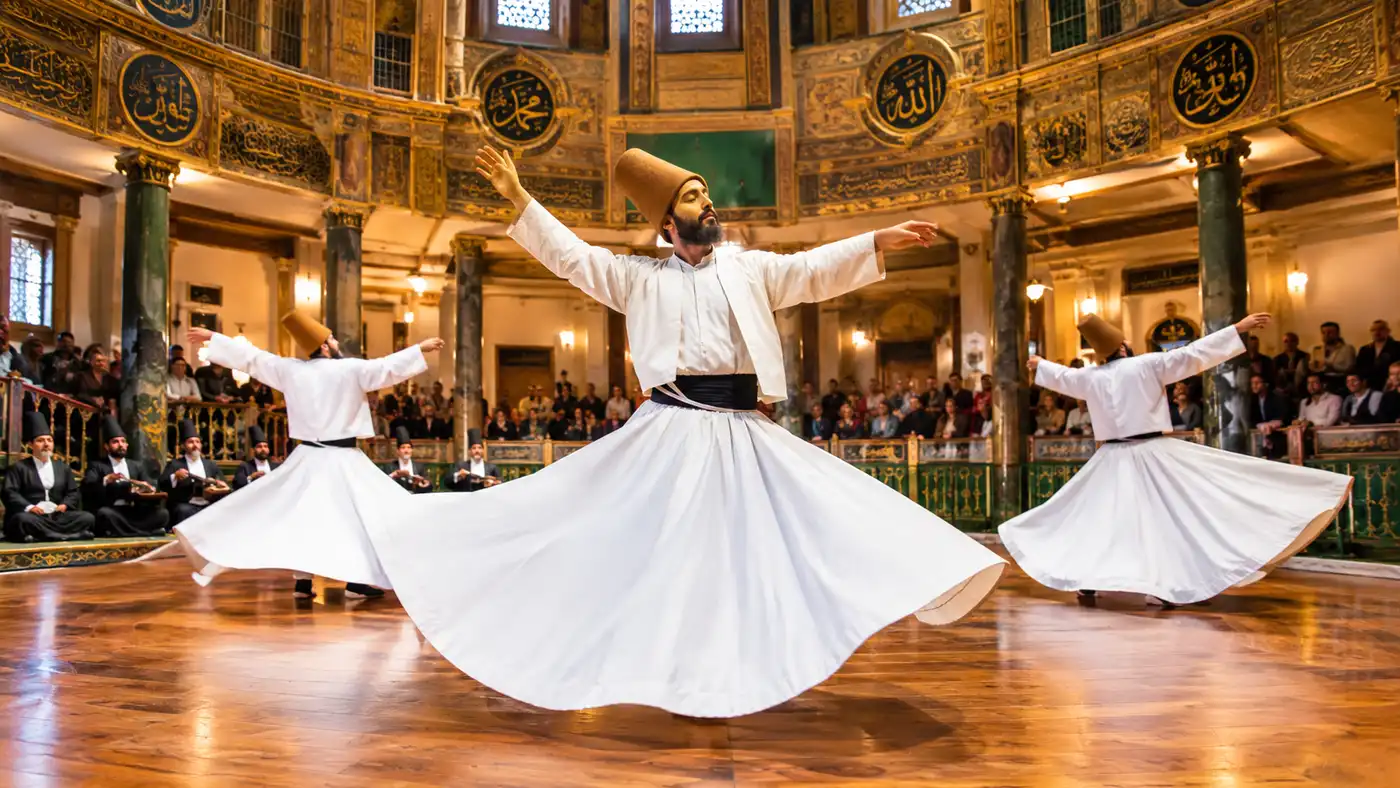
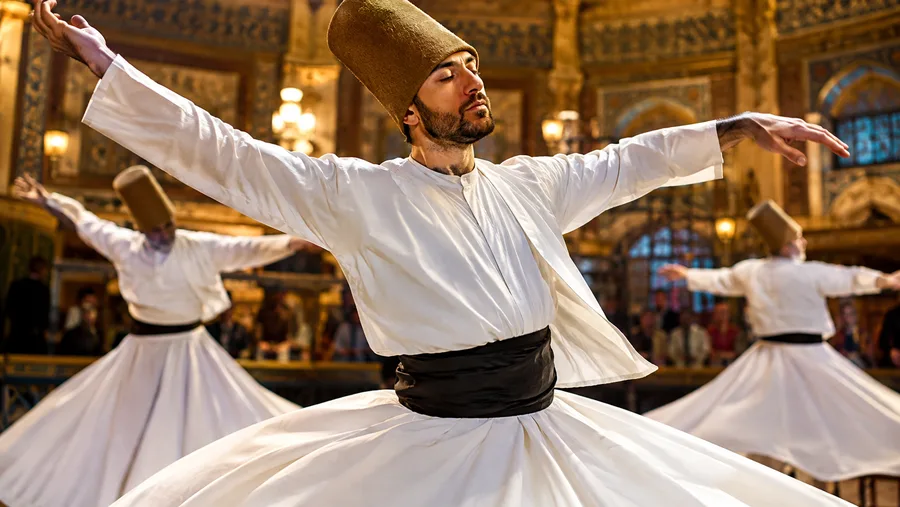
Once the spinning begins, the dervishes cast off their heavy black cloaks (the hırka), which symbolize the earthly grave. Underneath, they wear flowing white robes (the tennure), representing the shroud of the ego. They spin with the right palm turned upward toward heaven to receive grace, while the left palm faces downward toward the earth to distribute that blessing to humanity. Their heads tilt slightly to one side, leaning into the wind generated by their own momentum. Watching ten men rotate in synchronized circles without colliding in a tight space is genuinely astonishing.
Practical Booking Tips for Whirling Dervishes Istanbul Tickets
Buying your pass is simple enough, but a few small missteps can spoil the evening. The historic buildings where these events take place were built centuries ago for prayer and meditation, not for tourist foot traffic. Comfort levels, temperatures, and sightlines vary wildly depending on the room.
- Arrive 30 minutes early: Almost all venues use open seating within ticket tiers. If you want a front-row view without a tall tourist blocking your line of sight, you need to be in the holding lounge well before the doors swing open.
- Dress respectfully: While cultural centers like Hodjapasha do not require head coverings, you should still avoid beachwear, short skirts, or sleeveless tops out of basic respect for the ritual context.
- Avoid dinner packages: Combination tickets that pair a dervish performance with a multi-course dinner almost always sacrifice the quality of both; eat at a local lokanta in Sirkeci before or after the event instead.
- Check the cancellation terms: Booking through third-party platforms usually grants free cancellation up to 24 hours prior, whereas direct box office tickets bought on the street are non-refundable.
Temperature control inside converted Ottoman buildings is notoriously fickle. During November and December, stone-walled medreses hold onto the damp winter cold. Even if the heating units are humming, drafty stone floors mean your feet will freeze if you are wearing light canvas shoes. Throw on wool socks and bring a light scarf or sweater, even if the Istanbul daytime weather felt warm earlier in the afternoon.
If you are traveling with teenagers or friends who get restless easily, remind them that the show is essentially one continuous piece of classical Ottoman music accompanied by slow rotation. There are no intermission breaks, no drinks served, and leaving mid-ceremony to find a restroom is deeply frowned upon because you must cross right along the sacred spinning perimeter.
Frequently Asked Questions about whirling dervish istanbul tickets
What is the average whirling dervish show istanbul price?
Commercial tickets typically cost between €30 and €45 (roughly $33 to $50) at reputable historic venues like Hodjapasha. Low-cost community gatherings at local cultural centers usually ask for a modest donation of around $6 to $10 instead.
Can I get a whirling dervish istanbul free entry pass anywhere?
Yes, community foundations like the Silivrikapı Mevlana Cultural Center host weekly gatherings on Thursday evenings that are free to the public, though small voluntary donations are appreciated by the organizers.
Should I buy whirling dervishes istanbul tickets in advance?
Yes, especially if you plan to visit between April and October. Popular venues have limited seating (often fewer than 200 seats) and regularly sell out two to four days ahead of showtime.
Is an istanbul whirling dervish ticket suitable for children?
Most venues do not allow children under seven years old. The ceremony requires absolute quiet for an hour in dim lighting, which can be tough for young children to handle without fidgeting.
Quick Reference
- Standard ticket price: $35 to $45
- Ceremony length: 50 to 60 minutes
- Photography rule: strictly no flash or video
- Best central venue: Hodjapasha (Sirkeci)
Book your whirling dervish istanbul experience:
The Bottom Line
Seeing the Mevlevi Sema in Istanbul is one of those travel memories that stays with you long after the city's frantic traffic fades from mind. Just be deliberate about what you are buying. Skip the dinner boat hawkers along the Golden Horn and invest in a seat at an authentic cultural venue or seek out a traditional community gathering. Book your tickets a few days ahead, leave your phone in your pocket during the whirls, and let yourself get pulled into that steady, centuries-old rhythm.
Read more about whirling dervish istanbul.